
Uncategorized
The Role of Metal Laser Cutting Machine in Etching and Engraving
In the world of manufacturing and design, the use of laser cutting machines has become increasingly popular. These machines are capable of cutting through a variety of materials with precision and speed, making them a valuable tool for etching and engraving on metal surfaces. This article will explore the role of metal laser cutting machines in etching and engraving and provide answers to frequently asked questions about this technology.
Etching and engraving are artistic processes that involve creating designs, patterns, or text on various surfaces, particularly metals. Traditionally, these methods were done manually using tools such as chisels, gravers, or acids. However, these manual methods were time-consuming, required skilled craftsmen, and often resulted in uneven or imprecise work. With the advent of laser cutting machines, etching and engraving processes have become far more efficient and accurate.
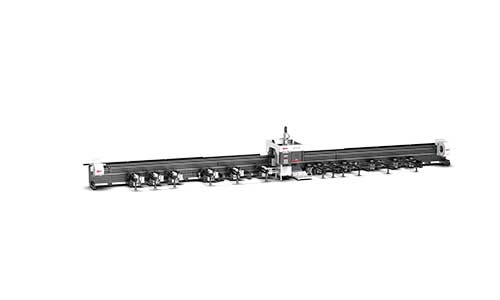
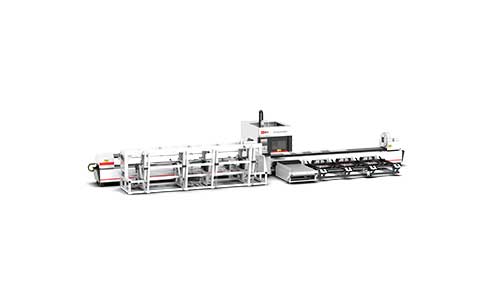
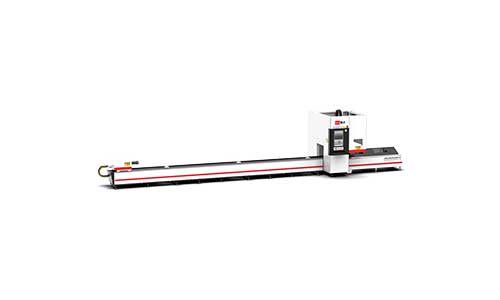
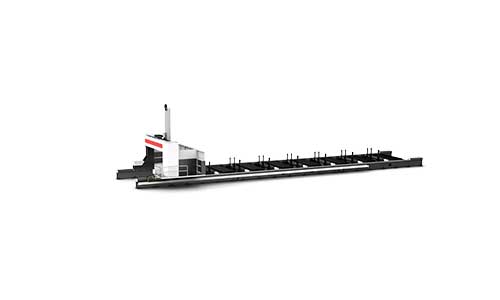
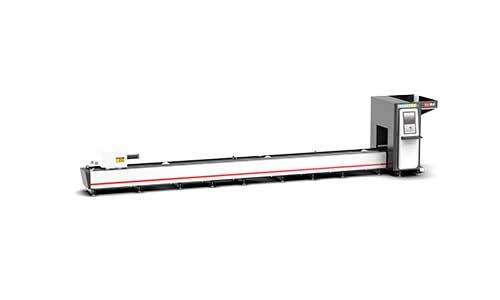
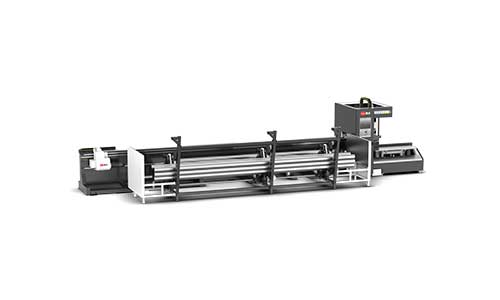
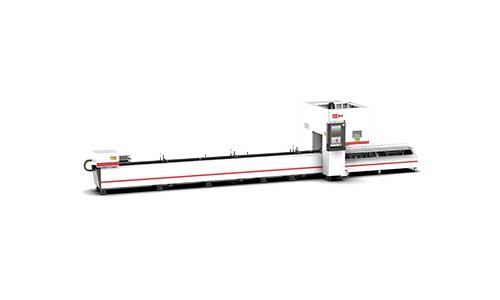
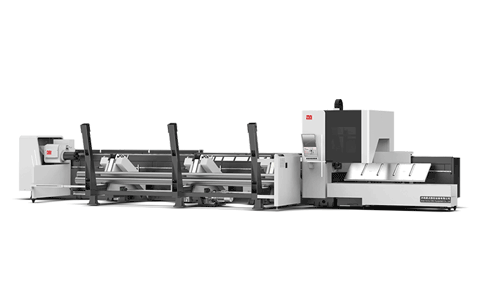
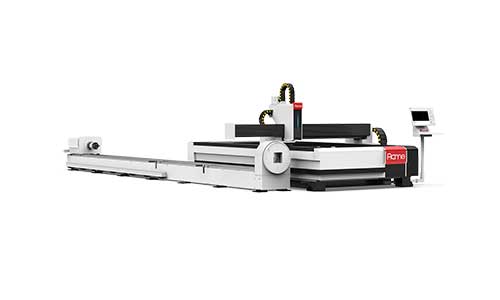
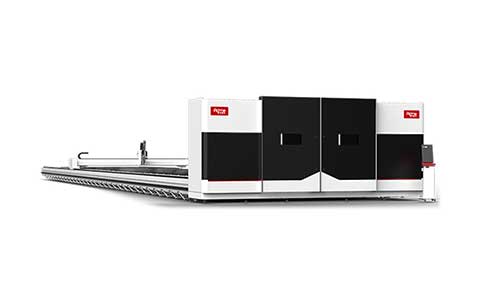
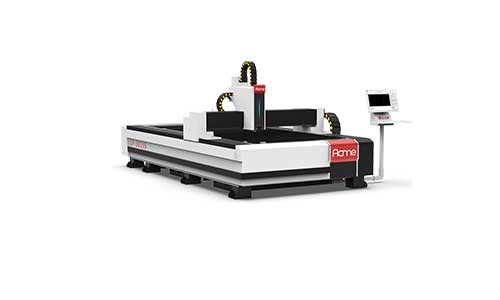
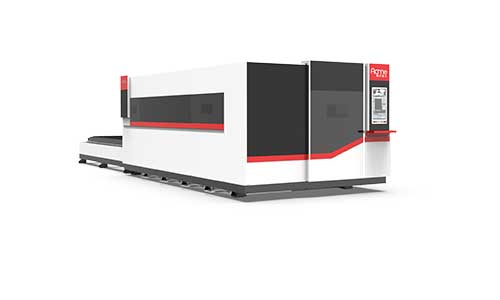
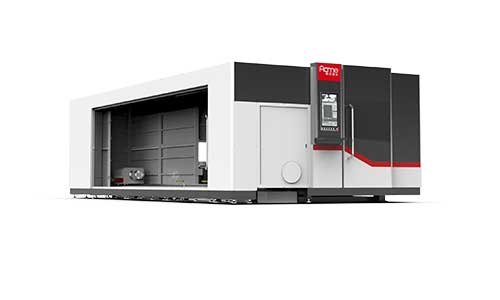
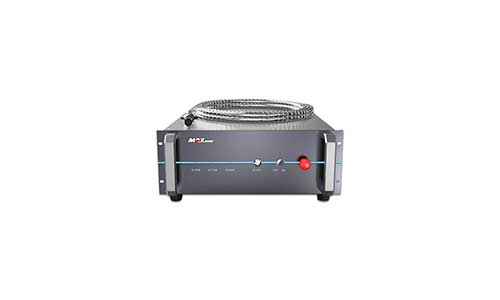
A metal laser cutting machine involves the use of a high-powered laser to cut or etch designs onto metal surfaces. The laser emits a concentrated beam of light that is absorbed by the metal, generating intense heat. This heat causes the metal to melt or vaporize, creating precise cuts or etched designs. The laser can be controlled by computer software, allowing for precise control of the cutting or etching process.
The role of metal laser cutting machines in etching and engraving is multi-faceted. Firstly, these machines allow for intricate and highly detailed designs to be created on metal surfaces. The precision of the laser beam ensures that every line and curve is accurately reproduced, resulting in highly professional and visually appealing results. This makes metal laser cutting machines ideal for the production of customized items, such as jewelry, nameplates, or promotional items, where attention to detail is paramount.
Secondly, metal laser cutting machines offer a high level of flexibility. The design or pattern to be etched or engraved can be easily created or modified using computer software. This means that the same machine can be used to create multiple designs, making it versatile for various applications. Additionally, the ability to replicate designs with exact precision allows for the mass production of identical items, saving time and effort in the manufacturing process.
Furthermore, metal laser cutting machines are faster and more efficient compared to traditional etching and engraving methods. The laser is capable of cutting through metal with unparalleled speed, reducing production time significantly. This speed and efficiency make laser cutting machines highly suitable for large-scale production where time is a crucial factor.
Additionally, metal laser cutting machines offer a non-contact etching and engraving process. Unlike manual methods that require physical contact with the metal surface, laser cutting machines do not cause wear or damage to the material being worked on. This means that the engraved or etched surface remains smooth and undamaged. The non-contact nature of laser cutting also ensures that delicate or fragile metals can be worked on without the risk of distortion or breakage.
FAQs
Q: What types of metal can be used with laser cutting machines?
A: Laser cutting machines can work with a wide range of metals, including steel, stainless steel, aluminum, copper, brass, and more.
Q: Can laser cutting machines produce different depths of engraving?
A: Yes, laser cutting machines can be adjusted to produce shallow or deep engraving, depending on the desired effect.
Q: Are metal laser cutting machines safe to use?
A: Metal laser cutting machines are generally safe to use when operated properly. However, it is important to follow safety protocols and wear appropriate protective equipment, such as goggles, to minimize the risk of injury.
Q: How precise are metal laser cutting machines?
A: Metal laser cutting machines are capable of producing highly precise cuts and detailed designs, with accuracy up to a fraction of a millimeter.
Q: Can laser cutting machines etch or engrave curved surfaces?
A: Yes, laser cutting machines can etch or engrave on curved surfaces, thanks to their flexibility and precision control.
In conclusion, metal laser cutting machines play a crucial role in etching and engraving on metal surfaces. They offer precision, speed, and versatility, making them indispensable tools in the manufacturing and design industries. With their ability to produce intricate designs, work on various metals, and provide non-contact etching and engraving, these machines have revolutionized the world of etching and engraving.
[ad_2]