
Uncategorized
The Role of Laser Tube Cutters in the Plumbing and HVAC Industry
In the plumbing and HVAC industry, precision and efficiency are of utmost importance. The ability to cut tubes accurately and cleanly is crucial for the successful installation and maintenance of plumbing and HVAC systems. This is where laser tube cutters come into play.
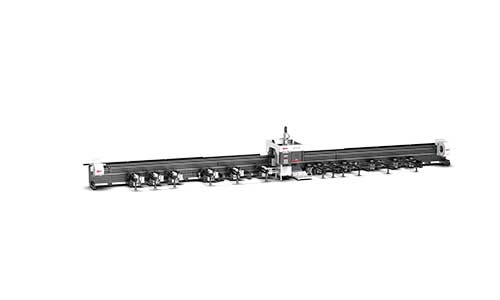
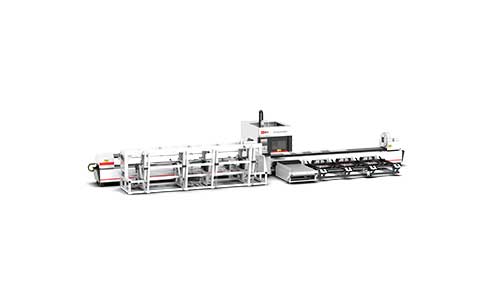
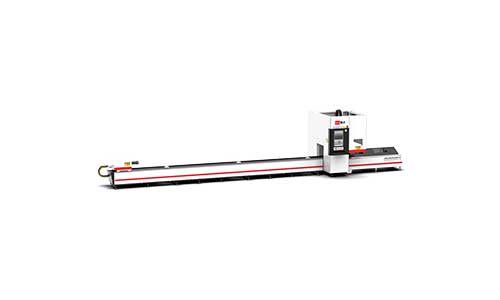
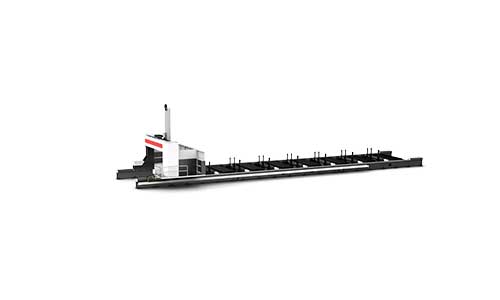
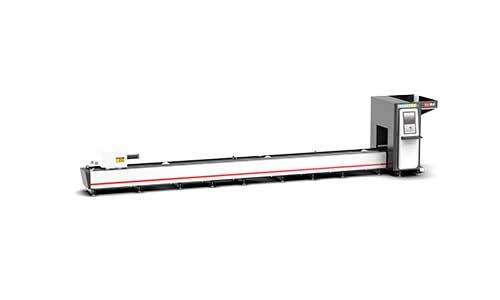
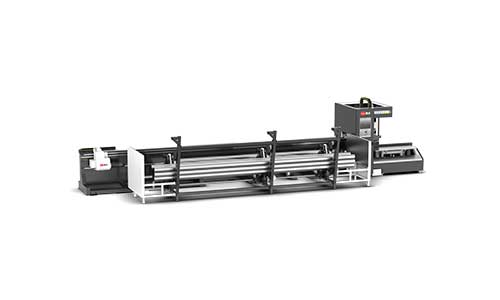
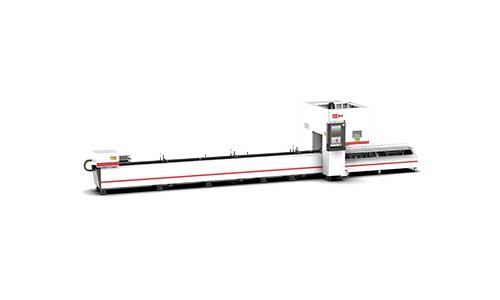
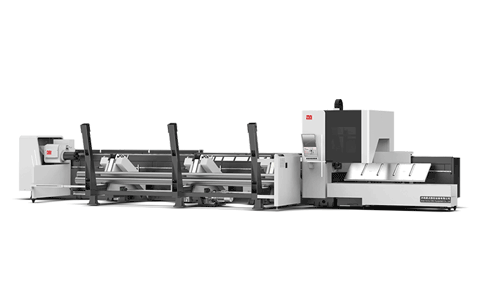
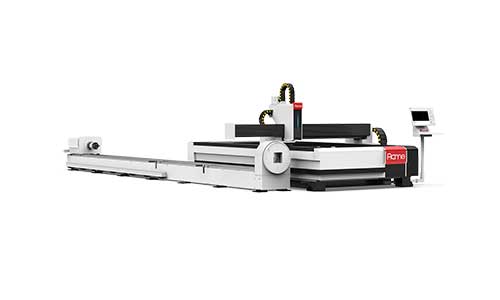
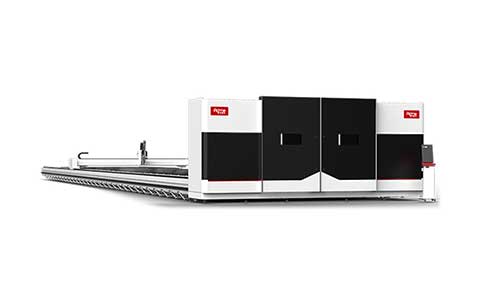
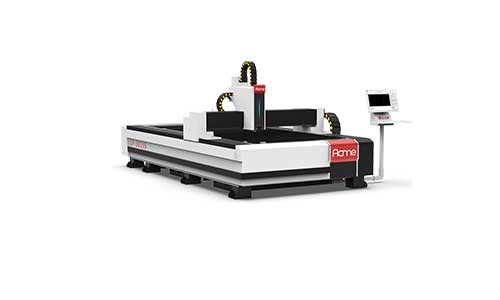
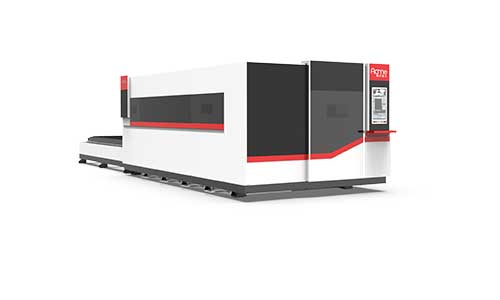
Laser tube cutters utilize advanced technology to provide precise and clean cuts on various types of tubes, including copper, stainless steel, and plastic. They offer a range of benefits that make them indispensable tools for professionals in the plumbing and HVAC industry.
Efficiency and Time-Saving:
One of the primary advantages of laser tube cutters is their speed and efficiency. Traditional tube cutting methods, such as manual sawing or using mechanical cutters, can be time-consuming and require significant effort. In contrast, laser tube cutters can swiftly and accurately cut through tubes in seconds, reducing labor costs and saving valuable time.
Quality and Precision:
Laser tube cutters ensure high-quality cuts with unmatched precision. They produce clean edges and accurate measurements, eliminating the need for additional finishing work. This precision is crucial in plumbing and HVAC systems, where even the smallest inaccuracies can lead to leaks or inefficient performance.
Flexibility:
Laser tube cutters offer great versatility, capable of cutting tubes of various shapes and sizes. From straight cuts to complex angular cuts, laser tube cutters can handle a wide range of cutting requirements. This versatility allows professionals in the plumbing and HVAC industry to tackle any project with ease.
Safety:
Handling tubes manually or using traditional cutting tools can pose a safety risk. Laser tube cutters eliminate these hazards by providing a safe cutting process. With these machines, there is no direct contact between the operator and the cutting tool, minimizing the risk of accidents and injuries.
Reduced Material Waste:
Laser tube cutters optimize material usage by minimizing waste. Their precision cutting capabilities ensure minimal material loss, which is both cost-effective and environmentally friendly. This means professionals in the plumbing and HVAC industry can save money by optimizing material usage, while also contributing to sustainable practices.
Frequently Asked Questions (FAQs):
Q: Are laser tube cutters suitable for all types of tubes?
A: Laser tube cutters can work with a variety of materials, including copper, stainless steel, and plastic tubes. However, it is essential to check the specific machine’s capabilities to ensure compatibility with the desired tube material.
Q: Can laser tube cutters handle both straight and angular cuts?
A: Yes, laser tube cutters are capable of cutting both straight and angular cuts. They offer great flexibility to meet various cutting requirements in the plumbing and HVAC industry.
Q: Do laser tube cutters require specialized training to operate?
A: Yes, operating laser tube cutters effectively requires some training. Manufacturers usually provide user manuals and training sessions to ensure safe and efficient use of the machines.
Q: How do laser tube cutters contribute to cost savings?
A: Laser tube cutters save costs in multiple ways. They reduce labor costs by eliminating the need for manual cutting methods. Additionally, their precision and material optimization capabilities minimize waste, ensuring material cost savings.
Q: Can laser tube cutters be used for both installation and maintenance purposes?
A: Yes, laser tube cutters are versatile tools that can be used for both installation and maintenance tasks. Their ability to provide precise, clean cuts makes them ideal for various applications in the plumbing and HVAC industry.
In conclusion, laser tube cutters play a vital role in the plumbing and HVAC industry. Their efficiency, precision, versatility, and safety make them indispensable tools for professionals in this field. By utilizing laser tube cutters, professionals can ensure accurate and clean cuts, leading to enhanced performance, reduced material waste, and cost savings.
[ad_2]